
Introduction
Solar energy is becoming an important part of everyday life. It is energy that comes from sunlight and can be used for electricity, heating, and other basic needs. In simple terms, it means using the Sun’s light to run homes, schools, shops, and even small industries.
As electricity demand increases and power cuts remain common in many areas, solar energy is emerging as a reliable and clean solution.
Solar Energy in Everyday Use
Solar energy is no longer limited to large power plants. It is now used in common daily situations.
Homes Using Solar Power
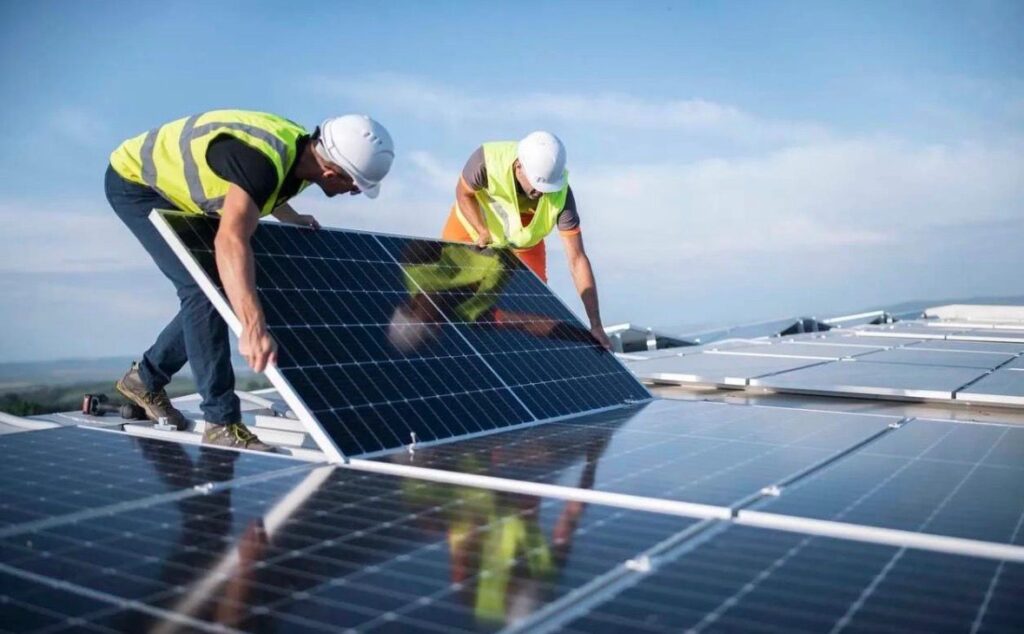
Many houses are installing solar panels on rooftops. These panels collect sunlight during the day and convert it into electricity.
This electricity is used for:
- Lighting rooms
- Running fans
- Charging mobile phones
- Operating televisions and small appliances
In areas where power cuts are frequent, solar energy helps families continue their daily activities without interruption.
Solar Water Heating Systems
Solar energy is also widely used for heating water. A solar water heater is installed on rooftops, where sunlight heats water stored in pipes or tanks.
This hot water is used for bathing, washing clothes, and kitchen needs. Many hotels, hospitals, and apartment buildings use this system to reduce electricity or gas usage.
Solar Street Lighting in Public Areas
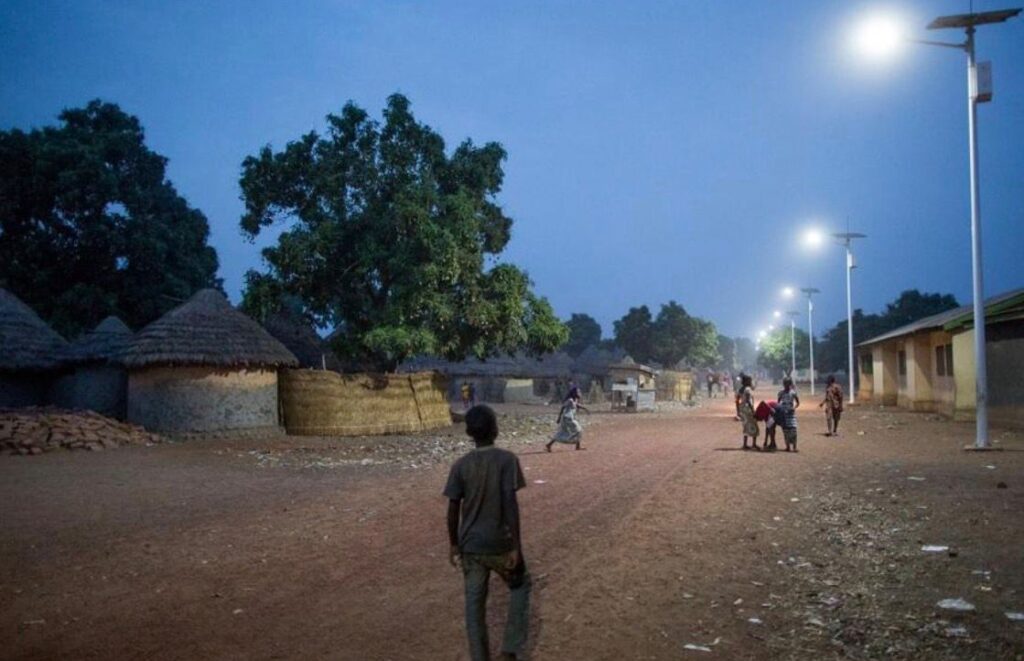
Solar street lights are now common in villages, towns, and highways. These lights store energy during the day and automatically turn on at night.
They are especially useful in areas where electricity supply is limited. These systems improve safety on roads and reduce energy costs for local authorities.
Use in Agriculture and Small Businesses
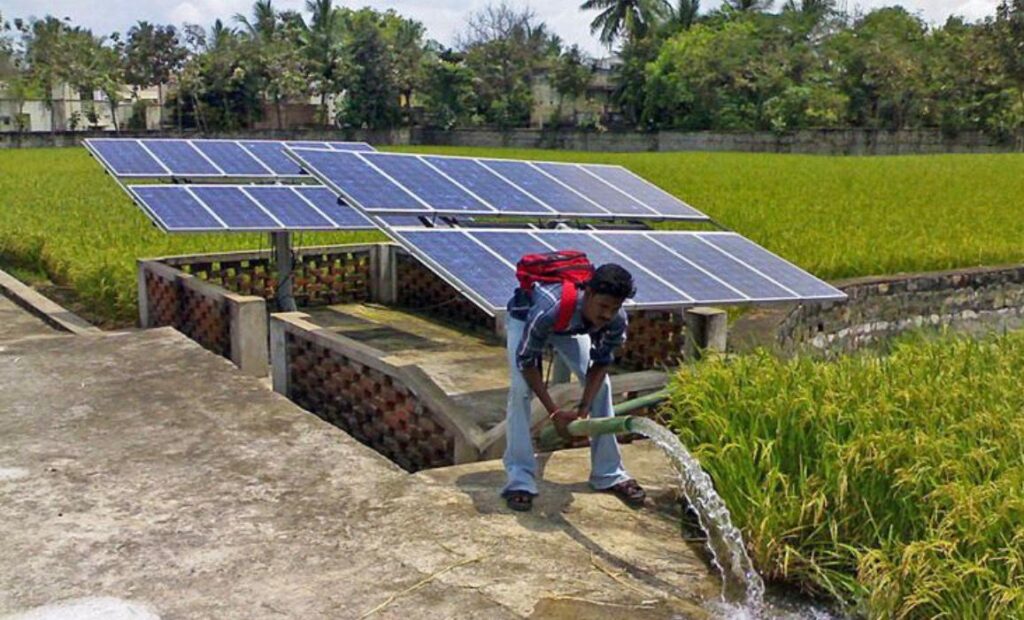
Farmers are increasingly using solar-powered water pumps for irrigation. These pumps help lift water from wells and rivers without using diesel or electricity from the grid.
Small shops and roadside vendors also use solar charging systems for lights, mobile charging, and basic equipment, helping them continue work even during power cuts.
Benefits of Solar Energy in Daily Life
Solar energy offers several practical advantages:
- Reduces electricity bills over time
- Provides backup during power cuts
- Works well in remote and rural areas
- Does not produce air pollution or harmful gases
- Uses an unlimited natural resource from the Sun
Because of these benefits, solar energy is becoming more common in both urban and rural regions.
Challenges of Solar Energy
Even though solar energy is useful, it still has some limitations:
- It depends on sunlight and does not work at night
- Performance reduces during cloudy or rainy days
- Installation cost can be high initially
- Requires space for panels or systems
Despite these challenges, improvements in technology are making solar systems more efficient and affordable.
Future of Solar Energy
The future of solar energy looks promising. With better technology and lower costs, more households and industries are expected to adopt solar power.
In the coming years, we may see:
- More homes fully powered by solar energy
- Improved battery storage systems for night use
- Solar-powered transport and smart city systems
- Wider use in rural development and agriculture
Solar energy is expected to play a major role in building a cleaner and more sustainable environment.
Conclusion
Solar energy is no longer just a future idea; it is already part of daily life. From homes and street lights to farming and small businesses, it is helping people save money and reduce environmental impact.
As the world moves toward cleaner energy sources, solar power will continue to grow as one of the most practical and important solutions for everyday needs.